Why ten episodes matters more than you think
I get this question constantly: “Should I just record my first episode and see how it goes?” I understand the instinct. You’re excited, the mic is finally plugged in, and waiting feels like wasted time. But here’s the thing I’ve watched happen over and over again with new podcasters: they record one great episode, maybe a decent second one, and then they stare at a blank page trying to figure out what comes next. That gap is where most shows quietly die.
Planning ten episodes before you record your first one isn’t about being rigid or over-preparing. It’s about giving yourself enough runway to build a habit before you run out of ideas. Ten episodes also happens to be roughly the number it takes for a new host to find their rhythm, their pacing, and their actual voice on the mic. You want that learning curve to happen with a plan already in place, not while you’re also scrambling for topics.
Start with a show promise, not a show topic
Before you list a single episode idea, get clear on what your show promises a listener every time they hit play. This is different from your topic. “A podcast about marketing” is a topic. “A podcast that gives small business owners one marketing tactic they can try that same afternoon” is a promise. The promise tells you what every episode needs to deliver, which makes choosing episode topics dramatically easier.
Write your promise down in one sentence. Tape it near your mic if you have to. Every time you brainstorm an episode, check it against that sentence. If it doesn’t fit, it’s not a bad idea, it just might belong to a different show someday.
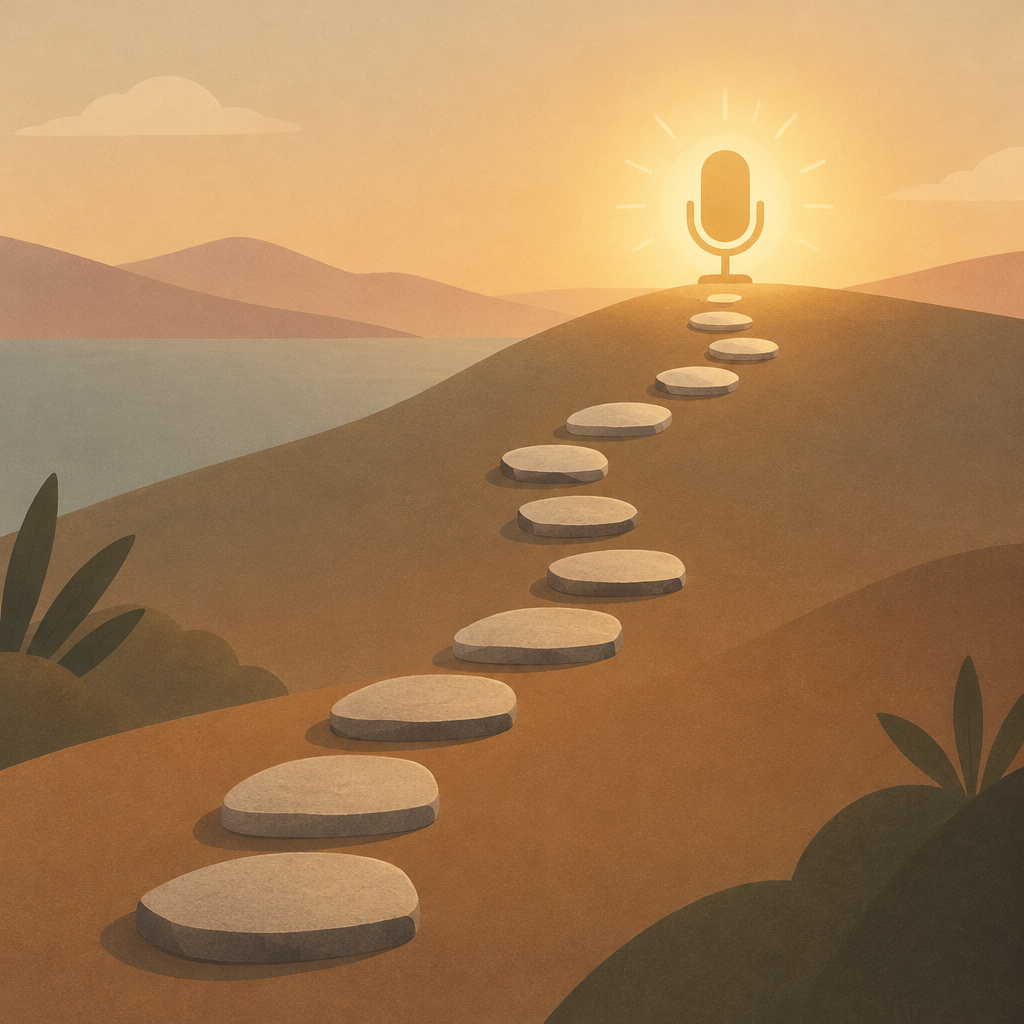
Mapping the first ten
1. Start with your founding episode
Episode one usually introduces you, your show, and why you’re the right person to make it. Resist the urge to make this a long origin story. Keep it short, warm, and point quickly toward what’s coming. Listeners decide fast whether to subscribe.
2. Pick three “cornerstone” topics
These are the big, evergreen subjects that sit at the heart of your show’s promise. If your show is about home gardening for beginners, a cornerstone might be soil basics, watering mistakes, and choosing your first plants. These episodes should be the ones you’d recommend to someone brand new to your show.
3. Add three “curiosity” episodes
These are slightly more specific or unexpected angles that reward people who already like your cornerstone content. They don’t need to be niche for the sake of it, just a step deeper. This is where you can experiment with format too, maybe a shorter solo episode or a listener question round.
4. Slot in two guest or interview episodes
Guests bring new energy and a built-in reason for people to share the episode. Reach out early, because scheduling always takes longer than you expect. If guests fall through, have backup solo topics ready so your plan doesn’t collapse.
5. Finish with one reflective or “behind the scenes” episode
Ten episodes in is a natural point to talk honestly about what you’ve learned making the show so far. Listeners love this kind of transparency, and it’s an easy episode to record because you’re basically just telling the truth about your own experience.
6. Leave one slot open
Don’t fill every single one of the ten in advance. Leave room for something timely, a listener suggestion, or an idea that comes up once you’re actually in the swing of recording. A plan with a little flexibility survives longer than a plan carved in stone.
Turning the list into an actual production schedule
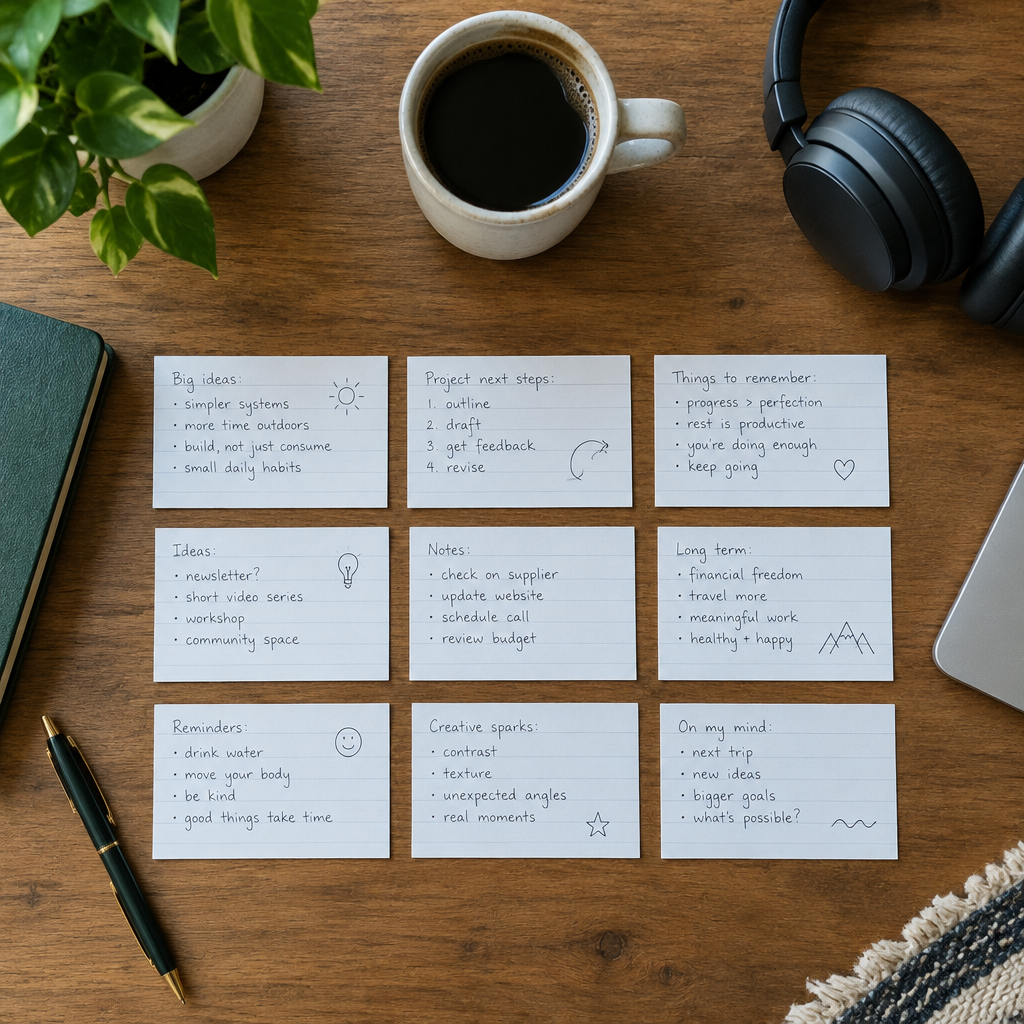
Once you have your ten topics, resist jumping straight into recording all of them. Instead, write a one-sentence outline for each episode, just enough to remind future-you what the point was. This takes an afternoon and saves you from the panic of sitting down to record with only a vague memory of your own idea.
Next, batch similar tasks together if you can. Record two or three episodes in one sitting once you’re warmed up. Script or outline a few episodes in the same session rather than switching tasks constantly. Podcasting rewards momentum, and batching protects your energy for the parts that actually need creativity.
What to do when an idea runs dry
Even with a solid plan, you’ll hit a week where nothing on your list feels right anymore. That’s normal and it doesn’t mean your show is failing. Go back to your one-sentence promise and ask what a listener might be struggling with right now. Sometimes the best episode ten wasn’t on your original list at all, it showed up because you were paying attention once you started.
The goal of planning ten episodes isn’t to lock yourself into a rigid script for your entire show. It’s to remove the blank-page panic long enough for you to find your footing. Once you’re past episode ten, you’ll have a much clearer sense of what your listeners respond to, and planning the next batch gets noticeably easier.
A quieter kind of confidence
There’s a particular kind of calm that comes from knowing what you’re recording next week, and the week after that. It doesn’t come from talent or expensive equipment, it comes from having done this groundwork before you needed it. Give yourself that gift before you hit record on episode one. Future you, staring down a blank page on a Tuesday night, will be very grateful you did.